Double Sided Tapes for Structure Fixing & Framing — Body Building, Glazing & Automotive
No screws. No rivets. No denting. No shabby look. A clean, permanent structural bond instead.
The conventional method of multiple screwing and riveting between GI panels and MS sheets on commercial vehicle roofs creates two problems that every body builder knows: the fasteners leave denting marks on the panel surface, and the result looks exactly as compromised as it is. The screws and rivets are doing the structural job, but they're also punching holes through sheet metal under repeated mechanical stress, creating stress concentration points that eventually become failure sites. A special foam tape identified as the problem solver for the body building industry eliminates all of these issues simultaneously — the panels bond along their entire length, the surface stays smooth, and the stress is distributed rather than concentrated.Pioneer Tapes manufactures and supplies various types of foam tapes and double sided tapes for structure fixing and framing applications — for body building (truck, bus, and commercial vehicle body construction), structural glazing, architectural panel fixing, automotive panel bonding, and transportation vehicle assembly. The right tape type depends on the substrate combination, structural load, surface condition, and service environment — and Pioneer's team specifies it.
As a Pune-based tape manufacturer with pan-India supply capability, we help body builders, automotive OEMs, glazing contractors, and structural engineers replace mechanical fasteners with clean, durable adhesive bonding systems that perform better and look better. Today, we're proud to support a wide range of multinational companies with our solutions.
What are Double Sided Tapes for Structure Fixing & Framing?
The primary confirmed application from Pioneer's product page is the body building industry — where the old conventional method of multiple screwing and riveting on roofs between GI (Galvanised Iron) panels and MS (Mild Steel) sheets gave a shabby look, with denting marks quiet common in the process. The foam tape solution identified for this problem bonds the panels along their continuous contact length, creating a distributed bond that eliminates denting, removes the visible fastener profile, and seals the joint simultaneously.
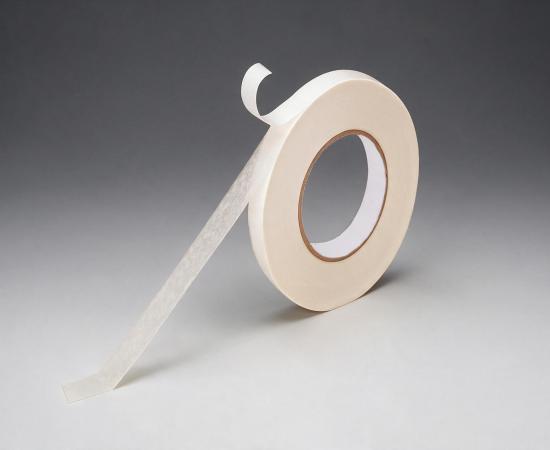
Pioneer supplies this range across several tape types, each suited to different structural loading, substrate, and service condition requirements:
- Acrylic Foam Tape (VHB-Grade): The highest performance structural bonding tape — 100% acrylic foam carrier with acrylic adhesive on both faces, designed for permanent, load-bearing structural bonding between dissimilar materials, accommodating differential thermal expansion, and providing weatherproof sealing at the bond line.
- Double Sided Foam Tape (Various Foam Types): Various foam substrate types (EPDM, PU, XPE, EVA) with double-sided adhesive coating — for panel fixing, framing, and assembly applications where the foam layer also provides sealing, cushioning, and vibration isolation between the bonded surfaces.
- Double Sided Cloth / Fabric Tape: Woven fabric carrier with adhesive on both faces — for high-tensile-strength structural bonding where a thin, strong carrier is needed and foam cushioning is not required.
- Double Sided PET Film Tape: Polyester film carrier with acrylic adhesive on both faces — for precision structural and framing bonding where dimensional stability and a thin bond line profile are the priority.
We offer structure fixing tapes in a wide range of thicknesses and widths, and can match them to your substrate combination, load requirement, and application conditions.
Key Features
- Eliminates Screwing & Riveting — Clean Panel Finish: The confirmed problem solved by Pioneer's structural tape range is the elimination of multiple screwing and riveting between GI panels and MS sheets, removing the denting marks and shabby look that mechanical fasteners create on finished panel surfaces. The tape bond is invisible from the outside — the surface presents as a single, smooth, uninterrupted panel face.
- Distributed Load Bonding — No Stress Concentration: Mechanical fasteners concentrate structural stress at each screw or rivet hole. Tape bonds distribute the load across the entire bonded length of the joint — eliminating the stress concentration points that eventually become corrosion and fatigue failure sites under repeated loading.
- Handles Thermal Expansion Between Dissimilar Materials: When GI panels are bonded to MS frames, or when aluminium panels are fixed to steel structures, the two materials expand and contract at different rates with temperature change. The elastic foam or acrylic core in structural tape accommodates this differential movement, which is exactly what rigid adhesives and mechanical fasteners cannot do without generating fatigue stress at the joint over time.
- Simultaneous Structural Bond + Weather Seal: The continuous foam or film tape bond between two structural surfaces creates a joint that is both structurally bonded and weather-sealed simultaneously — no additional sealant required at the panel joint. For vehicle body panels and architectural cladding, this simplifies construction and eliminates the sealant bead maintenance that mechanically fastened joints require.
- Vibration Resistant — Suited to Body Building & Transportation: Vehicles vibrate continuously in service. Mechanical fasteners loosen under vibration; adhesive tape bonds — particularly foam-core types — absorb and dampen vibration rather than transmitting it as stress to the fastener joint. The foam carrier makes the bond more durable, not less, under sustained vibration loading.
- UV & Weather Resistance for Exterior Applications: Structural tape used in body building and architectural glazing is exposed to outdoor conditions — UV radiation, rain, temperature cycling, and humidity. Pioneer's structural tape grades include weather-resistant and UV-stable formulations suited to these exterior service conditions.
- Various Tape Types for Different Structural Requirements: Various types of foam tapes and double sided tapes are available within the structural fixing range — from thin, high-shear film tapes for tight-tolerance framing applications to thick acrylic foam tape for maximum load capacity and gap-filling on irregular structural surfaces.
- Bonds Metal, Glass, Plastic & Composite Panels: The structural tape range bonds across the substrate combinations common in body building and architectural assembly — GI panel to MS frame, aluminium to steel, glass to aluminium frame, composite panel to steel substructure, and plastic body panels to vehicle frame — covering the range of dissimilar material joints that structural bonding applications typically present.
Applications of Double Sided Structural Tape
The primary confirmed application on Pioneer's product page is the body building industry — truck body builders, bus body manufacturers, and commercial vehicle body fabricators who fix GI roofing panels to MS frame structures. The old conventional method of multiple screwing and riveting used to give a shabby look with denting marks common in the process. Pioneer's foam tape range is identified as the problem solver, bonding GI panels to the MS frame continuously along the joint length — delivering a smooth, clean finish with no visible fastener profile on the completed body.
Specific body building applications include:
• GI panel bonding to MS frame on truck roofs and side walls
• Aluminium panel fixing to steel frame in bus and coach body construction
• Composite panel bonding in refrigerated and insulated vehicle body building
• Corner, junction, and edge sealing on commercial vehicle body assemblies
• Replacement and supplementation of riveted panel joints in vehicle body refurbishment
Structural Glazing — Glass Panel to Frame Bonding
Structural glazing in commercial buildings uses high-bond double sided tape — particularly acrylic foam tape — to bond glass panels to aluminium frames without visible mechanical fixings. The tape must carry the full dead weight of the glass panel, resist wind loading, accommodate differential thermal expansion between glass and aluminium, and maintain a permanent weatherproof seal at the glass-to-frame interface. This is one of the most demanding structural tape applications, and it specifies acrylic foam tape at the higher end of the VHB performance range.
ACP & Cladding Panel Fixing
Aluminium Composite Panel (ACP) cladding installation on commercial building facades uses structural double sided foam tape to fix panels to the supporting substructure — replacing the visible mechanical fasteners that rivet or screw fixing would require. The tape provides a clean, flush-fitting cladding surface with no fastener profile, and accommodates the thermal movement between the aluminium composite panel and the steel or aluminium substructure.
Automotive Panel Bonding — Vehicle Body Assembly
In automotive body manufacturing, double sided structural tape is used for bonding body side panels, roof panels, bonnet skins, and boot lids to the vehicle's structural frame or inner panel — replacing or reducing spot welding and mechanical fastening at bonded panel joints. The tape distributes load across the full bond area, reduces the transmitted vibration between bonded panels, and provides a continuous sealed joint between the outer panel and the structure.
Transportation Vehicle Assembly
Buses, coaches, trains, aircraft interiors, and other transportation vehicles use structural double sided tape for panel fixing, interior framing, trim mounting, and glazing — where the tape must handle the combination of vibration, temperature variation, and mechanical load that transportation service environments impose across the vehicle's operational life.
Signage & Display Framing
Structural framing in the signage industry — bonding aluminium extrusion frames, fixing LED display panels, mounting architectural signage elements — uses double sided foam and film tape for clean, fastener-free assembly of signage structures where the tape carries the full weight and loading of the assembled sign or display system.
Who Uses Pioneer Structure Fixing Tape?
The primary confirmed industry. Truck body fabricators and bus body builders use Pioneer's foam and double sided tape as a direct replacement for the multiple screwing and riveting that previously dominated GI panel-to-MS frame fixing — delivering a cleaner finish, faster assembly, and a more durable structural joint.
Bus & Coach Manufacturers
Bus and coach body manufacturers use structural tape for aluminium panel fixing to steel frames, interior panel bonding, window glazing sealing, and general body assembly — where a clean external surface finish and vibration-resistant bonded joints are both requirements of the finished vehicle.
Architectural Glazing & Façade Contractors
Structural glazing contractors and façade installation companies use high-bond acrylic foam tape for glass panel bonding, ACP cladding fixing, and structural frame glazing — where the tape provides both the structural bond and the weather seal at the glazing joint.
Automotive OEMs & Body Panel Manufacturers
Automotive manufacturers bonding outer panels to vehicle structures use structural double sided tape for panel fixing at joints where tape bonding outperforms mechanical fixing in terms of stress distribution, vibration isolation, and finished surface quality.
Rail, Marine & Aerospace Structures
Structural bonding in rail vehicle construction, marine vessel interiors, and aerospace composite assembly uses high-performance double sided tape systems — including acrylic foam tape and structural PET film tape — for panel fixing and framing in transport structures that must meet strict weight, vibration, and environmental performance requirements.
Signage & Display Fabricators
Signage companies and display manufacturers use structural double sided tape for panel framing, display mounting, and architectural signage assembly — where clean, fastener-free construction is both an aesthetic requirement and a practical assembly advantage.
Pioneer Structural Tape Range
| Tape Type | Key Properties | Primary Structural Application |
| Acrylic Foam Tape (VHB) | Highest structural bond strength | UV resistant | Accommodates thermal expansion | Weatherproof | Structural glazing, ACP cladding, automotive panel bonding, high-load body fixing |
| EPDM Foam Tape (DS) | UV & weather resistant | Good elongation | Outdoor rated | Conforms to surface gaps | Truck/bus body roof panel fixing, exterior body panel joints, outdoor panel bonding |
| PU Foam Tape (DS) | Soft, conformable | Good vibration isolation | Interior and semi-exterior use | Bus interior panel fixing, transportation interior framing, signage mounting |
| XPE Foam Tape (DS) | Firm, compression-resistant | Moisture-resistant | Dimensional stability | ACP panel spacer bonding, structural cladding, close-tolerance panel joints |
| Double Sided Cloth Tape | High tensile strength | Thin profile | Conforms to surface textures | Frame bonding, edge sealing, lightweight structural joints, glass-to-frame mounting |
| Double Sided PET Film Tape | Dimensional stability | Thin bond line | High shear strength | Precision framing | Signage framing, precision panel alignment, electronics structural assembly |
Why Choose Pioneer Tapes?
- Proven Problem Solver for Body Building — Confirmed on the Live Page: Pioneer's structural tape range is specifically identified as the problem solver for body building industries — eliminating the multiple screwing and riveting on roofs between GI panels and MS sheets that caused denting marks and a shabby look. This is not a general mounting tape positioned for structural use; it is a tape range developed specifically to address a real, documented problem in commercial vehicle body manufacturing.
- Pune-Based Manufacturer — Automotive & Body Building Supply Chain: Based in Pune at the heart of India's automotive and commercial vehicle manufacturing cluster, Pioneer Tapes has the geographic and supply chain proximity to serve truck body builders, bus manufacturers, and automotive OEMs with the shorter lead times and responsive engineering support that structural assembly programmes require.
- Multiple Tape Types for Different Structural Demands: Various types of foam tapes and double sided tapes are available within the structural fixing range. The right tape depends on the substrate, load, surface condition, and service environment — Pioneer's team specifies the correct type for each application rather than offering a single generic structural tape for all uses.
- Full Width Range for Different Panel and Framing Sizes: From narrow tape for framing and edge bonding to wide tape for large-area panel fixing and glazing, Pioneer supplies structural tape in the widths needed for each specific structural bonding pattern and panel dimension.
- Bulk Supply for Body Builders & Construction Contractors: Whether you're a body builder managing structural tape supply across a continuous production programme or a glazing contractor handling multiple commercial building projects, Pioneer supplies bulk structural tape with consistent quality, scheduled delivery, and dedicated account support.
- Consistent Bond Strength — No Performance Variation Between Rolls: Structural tape that varies in adhesive coat weight or foam density between rolls creates inconsistent bond strength across a body or structure — a real risk in applications where the tape is carrying structural load. Pioneer's controlled manufacturing process ensures consistent performance across every roll in every supply batch.
- Trusted by Multinational Companies: Today, we're proud to support a wide range of multinational companies with our solutions — including commercial vehicle body builders, automotive OEMs, glazing contractors, and transportation manufacturers who depend on consistent structural bonding performance.
Frequently Asked Questions
The confirmed problem from Pioneer's product page is the conventional method of multiple screwing and riveting on roofs between GI panels and MS sheets — which used to give a shabby look because denting marks were very common in the process. Pioneer's special foam tape is identified as the problem solver for body building industries: the panels are bonded along their continuous contact length, eliminating the need for screws and rivets, delivering a smooth, clean surface finish with no denting marks, and distributing structural load across the full joint rather than concentrating it at individual fastener points.
Yes — for many panel fixing applications in body building, foam tape bonding is not just a substitute for mechanical fasteners but a technically superior fixing method. Distributing load across the entire bond area versus concentrating it at fastener holes reduces fatigue and corrosion risk. The tape also seals the joint against moisture ingress — something screws and rivets do not do — and accommodates differential thermal expansion between dissimilar metals (GI and MS) without the mechanical stress that rigid fasteners generate at differential expansion joints. The right tape grade, correctly applied to prepared surfaces, provides a permanent structural bond that outlasts the vehicle's service life.
EPDM double sided foam tape is typically the first specification for GI-to-MS roof panel fixing in body building — chosen for its UV and weather resistance for outdoor roof service, its ability to conform to slight surface gaps between the panel and the frame, and its capability to handle the vibration loading of a moving commercial vehicle. For higher structural loads, acrylic foam tape (VHB-grade) provides greater bond strength and superior long-term weather resistance. Pioneer's team will review your panel dimensions, frame surface condition, and vehicle service environment before confirming the right tape specification.
Pioneer's acrylic foam tape (VHB) product page covers the highest-performance end of the structural bonding range — 100% acrylic foam with very high bond strength, suited to the most demanding structural glazing and automotive panel bonding specifications. The Various Double Sided Tapes for Structure Fixing/Framing range is broader, covering multiple tape types at different performance and cost points — including EPDM foam, PU foam, XPE foam, cloth, and PET film tapes — for the full range of body building, glazing, cladding, and automotive structural bonding applications. The right tape from this broader range depends on the specific structural requirement, and Pioneer's team specifies it accordingly.
The tape is applied to one substrate surface (typically the frame or substructure) with the release liner protecting the second adhesive face. The panel is then positioned accurately and pressed firmly against the taped surface, transferring the bond to the panel face. Applying firm, even pressure across the full bonded length — ideally using a roller — ensures full adhesive contact and maximises the initial bond. Surface preparation is critical: both mating surfaces should be clean, dry, and free from oils, loose scale, and contamination before tape application. The bond strength builds over the first 24–72 hours as the adhesive achieves full contact with both surfaces.
Yes, for the correct tape grades. EPDM foam tape and acrylic foam tape (VHB-grade) in Pioneer's structural range are specifically formulated for outdoor service — providing UV resistance, water and weather resistance, and the thermal expansion accommodation needed for panels and glazing exposed to the full range of outdoor conditions across years of service. Standard PU foam or PET film tape grades are better suited to protected or semi-exposed applications. Pioneer's team confirms the appropriate grade based on the service environment and exposure conditions of your specific application.
Yes. Pioneer Tapes supplies the full range of structural fixing tapes in bulk to commercial vehicle body builders, bus manufacturers, glazing contractors, automotive OEMs, and architectural cladding companies across India. Bulk orders are managed with dedicated account support, consistent tape grade quality across every supply batch, and scheduling to fit your production programme or project timeline. Contact us with your substrate combination, panel dimensions, volume requirements, and service environment details, and we'll confirm the right tape and structure a supply arrangement accordingly.
Ready to Replace Your Screws & Rivets with a Better Solution?
Tell us about your panel and frame substrates, structural load requirements, outdoor exposure conditions, and production volume. Pioneer Tapes will recommend the right structural tape type and width for your application, and arrange samples before you commit to a bulk order.
No screws. No rivets. No denting marks. No shabby look. A continuous, distributed structural bond that performs better, looks better, and lasts longer.
Contact Pioneer Tapes today — request a sample, get a bulk quote, or speak with our structural tape specialists.
Pioneer Tapes | Pune, Maharashtra, India | Industrial Adhesive Tape Manufacturer & Supplier
Tell us about your panel and frame substrates, structural load requirements, outdoor exposure conditions, and production volume. Pioneer Tapes will recommend the right structural tape type and width for your application, and arrange samples before you commit to a bulk order.
No screws. No rivets. No denting marks. No shabby look. A continuous, distributed structural bond that performs better, looks better, and lasts longer.
Contact Pioneer Tapes today — request a sample, get a bulk quote, or speak with our structural tape specialists.
Pioneer Tapes | Pune, Maharashtra, India | Industrial Adhesive Tape Manufacturer & Supplier